Established 1997 · London office · UK-wide service
Private Surveillance Services
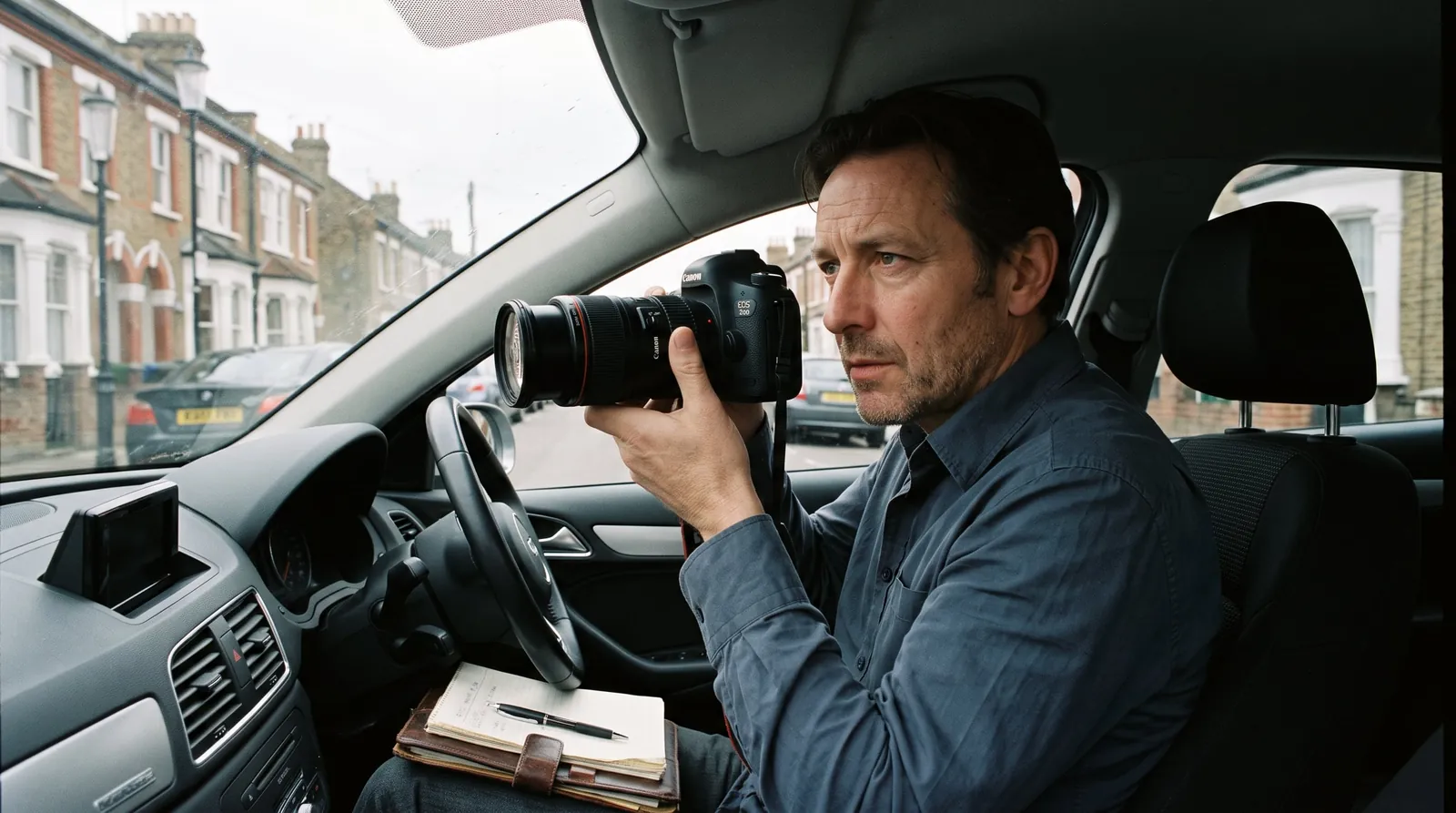
A private investigator for surveillance provides evidence when you need to track a person's movements, actions or associations. UKPI plans lawful monitoring for personal, corporate and legal matters.
Our investigators work from our London office and cover the UK. Each instruction is assessed before fieldwork begins so the proposed method is lawful, proportionate and suited to the question you need answered.
Choose the Right Specialist Service
Select the service that best matches your immediate concern.
When You Need Professional Surveillance
Surveillance can provide an independent account when a person's reported actions do not match what is happening. It may establish a pattern of movement, confirm attendance at an address or document an event at a particular time.
Private clients often need answers about a relationship, cohabitation or unexplained absences. Discreet observation can confirm or challenge a concern without relying on assumption. For relationship-specific work, see our relationship surveillance service.
Businesses use monitoring services when they need to examine suspected employee misconduct, undeclared competing work, internal theft or a disputed insurance claim. The purpose is to record relevant activity, not to draw conclusions beyond the evidence.
Solicitors and other professional advisers may also request evidence gathering for civil disputes, process serving or witness enquiries. We agree the objective and reporting requirements before an assignment starts.
Types of Surveillance
The right surveillance technique depends on the subject, location, available information and the fact that needs to be established. The main approaches are described below.
When observation must be carried out without alerting the subject, our dedicated covert surveillance services page explains the method, evidence and legal safeguards in more detail.
Mobile Surveillance
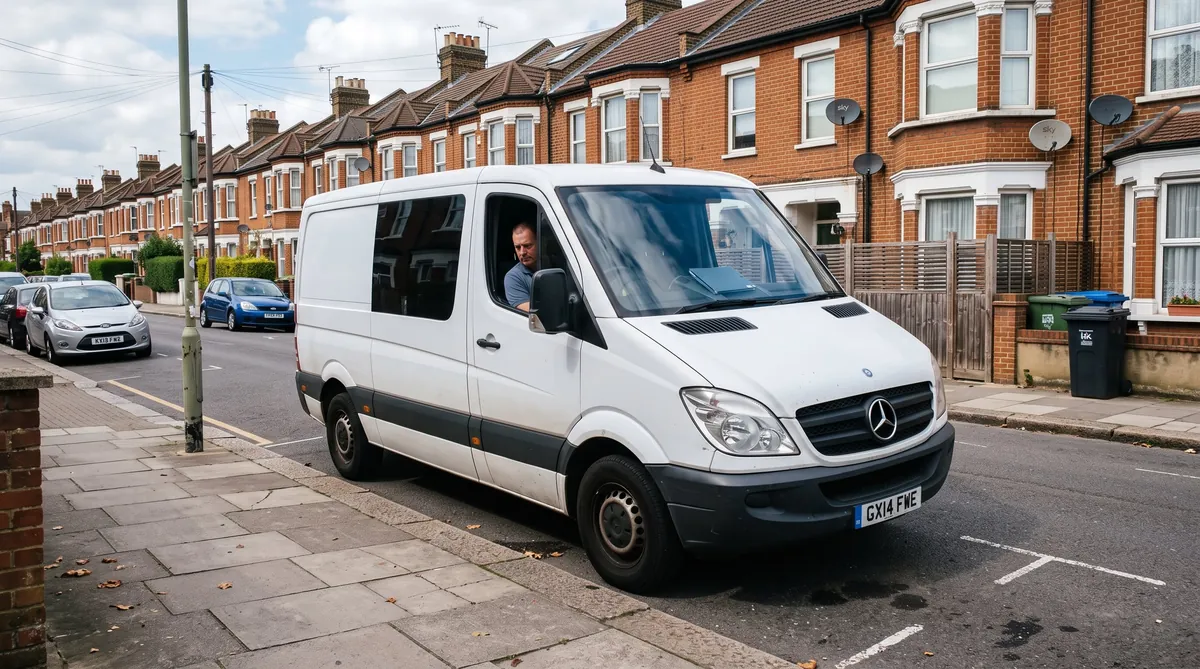
Mobile surveillance follows a subject between locations using vehicle and foot observation. The plan accounts for traffic, public transport, likely stopping points and the risk of losing sight of the subject. Where vehicle tracking is requested, its legality and ownership must be checked separately.
Static Surveillance
Static surveillance observes a fixed location such as a home, workplace or meeting point. Investigators keep a timed activity log and may take photographs or video when doing so is lawful and relevant to the instruction.
Personal and Corporate Surveillance
Personal cases can include relationship concerns or cohabitation questions. Corporate surveillance can support internal investigations, insurance work and suspected misconduct. Surveillance investigators report what they observe and distinguish recorded facts from interpretation.
Technical and Counter-Surveillance
Hidden-device searches and counter-surveillance require different skills and equipment from physical observation. Those enquiries are handled through our bug sweeping and TSCM services, while vehicle work has its own vehicle tracking page.
How Surveillance Operations Work
Every assignment starts with the question you need answered. The work is then planned around the available facts, the legal position and the least intrusive suitable method.
Initial briefing. You provide the subject information you are entitled to share, known routines, relevant locations and the reason for the enquiry. We explain what professional surveillance services may and may not establish.
Operational planning. We assess the likely locations, field time, team size and reporting requirements. You receive a written scope and quotation before deciding whether to proceed.
Fieldwork. Investigators carry out the agreed observation and maintain a contemporaneous activity log. Photographs or video are taken only where they are relevant and the circumstances permit.
Detailed reporting. The final report sets out timed observations, supporting material and any limits encountered during the assignment. Evidence is preserved securely and can be supplied to an authorised legal adviser where required.
Surveillance Evidence and the Law
Private surveillance can be lawful in the UK, but legality depends on the purpose, location, method and use of the information. Observation in a public place is not an unrestricted right to record anyone for any reason.
The Regulation of Investigatory Powers Act 2000 mainly governs investigatory powers used by public authorities. Private-sector investigations must instead be assessed against the law that applies to the circumstances, including the Data Protection Act 2018, the UK General Data Protection Regulation, privacy, trespass and harassment law.
Before fieldwork, we consider the client's purpose, necessity and proportionality. Investigators do not enter private property without permission or use methods that amount to harassment. Information is handled under documented data protection and retention procedures.
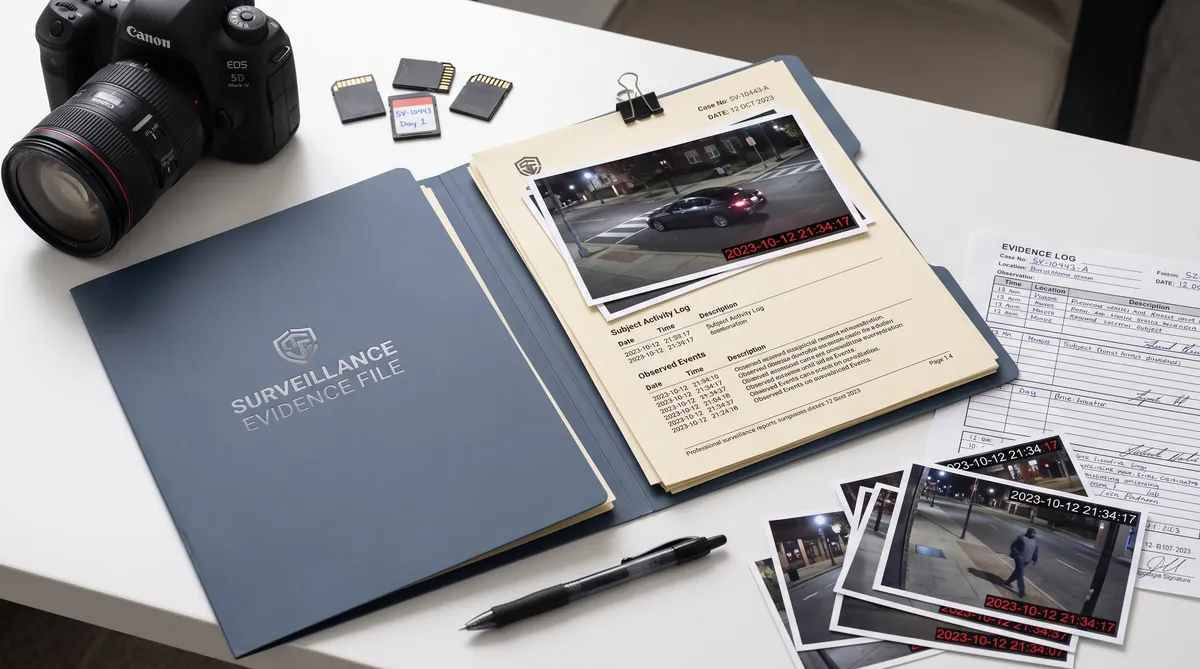
Reports, photographs and video are logged and preserved for potential use in legal proceedings. Whether material is admitted, and the weight given to it, are decisions for the relevant court or tribunal. We can provide the report to an authorised solicitor and explain how the material was obtained.
Corporate Surveillance and Fraud
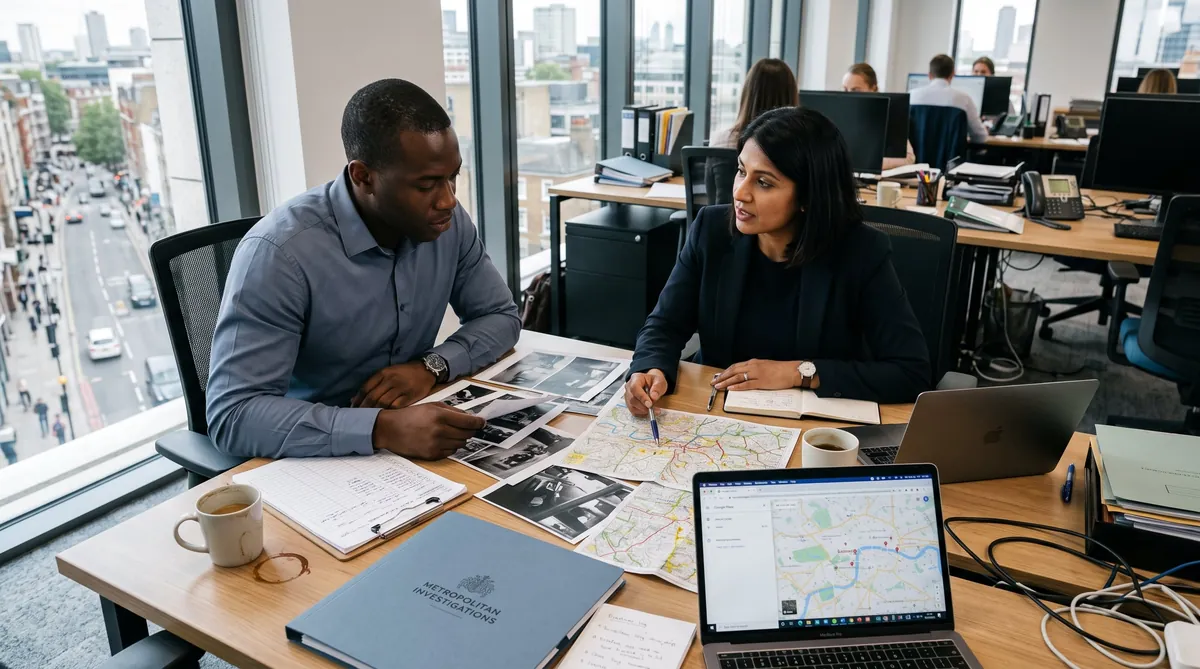
Corporate surveillance services can support a defined internal enquiry when other records do not resolve the facts. Examples include suspected unauthorised competing work, misuse of company time, internal theft or activity connected with a disputed claim.
The instruction must have a legitimate purpose. Employers should take appropriate employment and legal advice before acting on any report, particularly where disciplinary action or sensitive personal data is involved.
Corporate fraud may also require company-record research, interviews or financial enquiries. Those elements sit within our corporate investigations service rather than being added to a physical surveillance assignment without a clear reason.
Concerns about hidden cameras, audio devices or unauthorised electronic monitoring are handled as a technical investigation. Keeping that work separate means the right investigators, equipment and legal checks are assigned to the case.

What 29+ Years of Surveillance Experience Delivers
UKPI has provided investigation services since 1997. That history matters because surveillance rarely follows a perfect plan: routines change, locations become unsuitable and an initial assumption may prove wrong.
Experienced investigators adjust without overstating what has been observed. Reports separate direct observation from background information and identify gaps where no reliable conclusion can be drawn.
Our company information explains who UKPI is, while the Evidence Room contains published examples of investigation subjects and outcomes. Your own instruction remains confidential.

Surveillance Costs
The cost depends on the objective, likely field time, number of investigators, travel and reporting requirements. A short static observation and a multi-location mobile assignment do not require the same resources.
We provide a written proposal before fieldwork. It explains the planned approach, expected charges and any assumptions that could affect the final cost.
Our investigation costs guide explains the factors that affect pricing. A confidential discussion is still needed before we can quote for a particular surveillance requirement.
Our professional standards
Professional surveillance is planned around a legitimate purpose, lawful authority, and proportionate methods.
- Vehicle tracking is considered only where the client has the necessary lawful authority.
- Surveillance observation is conducted from lawful locations and never from inside private dwellings.
- Telephone audio is recorded only where consent and the law permit it.
- Any drone work follows CAA requirements and all relevant restricted-airspace rules.
- Every instruction is assessed for legitimate purpose, privacy, trespass, and harassment risk.
UKPI Reviews
The link above opens UKPI's Google Business Profile so you can read the independent reviews directly.
Surveillance Services: Frequently Asked Questions
A surveillance service uses planned observation to record relevant activities, movements or associations. Investigators may keep timed notes and take photographs or video where the circumstances permit. The report distinguishes what was directly observed from any background information supplied by the client.
The main physical methods are mobile surveillance, which follows a subject between locations, and static surveillance at a fixed address or meeting point. Corporate and personal assignments use these methods for different purposes. Vehicle tracking and technical counter-surveillance are assessed as separate services.
Examples include checking unexplained absences, recording activity linked to a disputed insurance claim, examining suspected competing work by an employee, establishing visits to an address and supporting a solicitor with factual evidence gathering. The method depends on the question that needs answering.
Private surveillance can be lawful, but the answer depends on the purpose, location, method and intended use of the information. We assess necessity, proportionality, privacy, data protection, trespass and harassment risks before accepting an instruction. RIPA mainly governs investigatory powers used by public authorities.
Costs depend on the objective, likely field time, number of investigators, travel and reporting requirements. We provide a written scope and quotation before fieldwork so you can decide whether to proceed.
Reports, photographs and video can be prepared for potential use in legal proceedings and supplied to an authorised solicitor. The relevant court or tribunal decides whether the material can be admitted and how much weight it should carry.
The required time depends on the subject’s routine and the fact that needs to be established. Some assignments can answer a narrow question in one period of observation, while others need several planned sessions. We explain the proposed time before work begins.
Free consultation
Speak to a Surveillance Specialist
Tell us the question you need answered and what information is already available. We will explain whether surveillance is suitable and, if it is, provide a written scope and quotation before fieldwork begins.
- Free, no-obligation consultation
- Scope and cost agreed before fieldwork
- Contact handled in confidence
- Available 24/7: 0800 043 1754