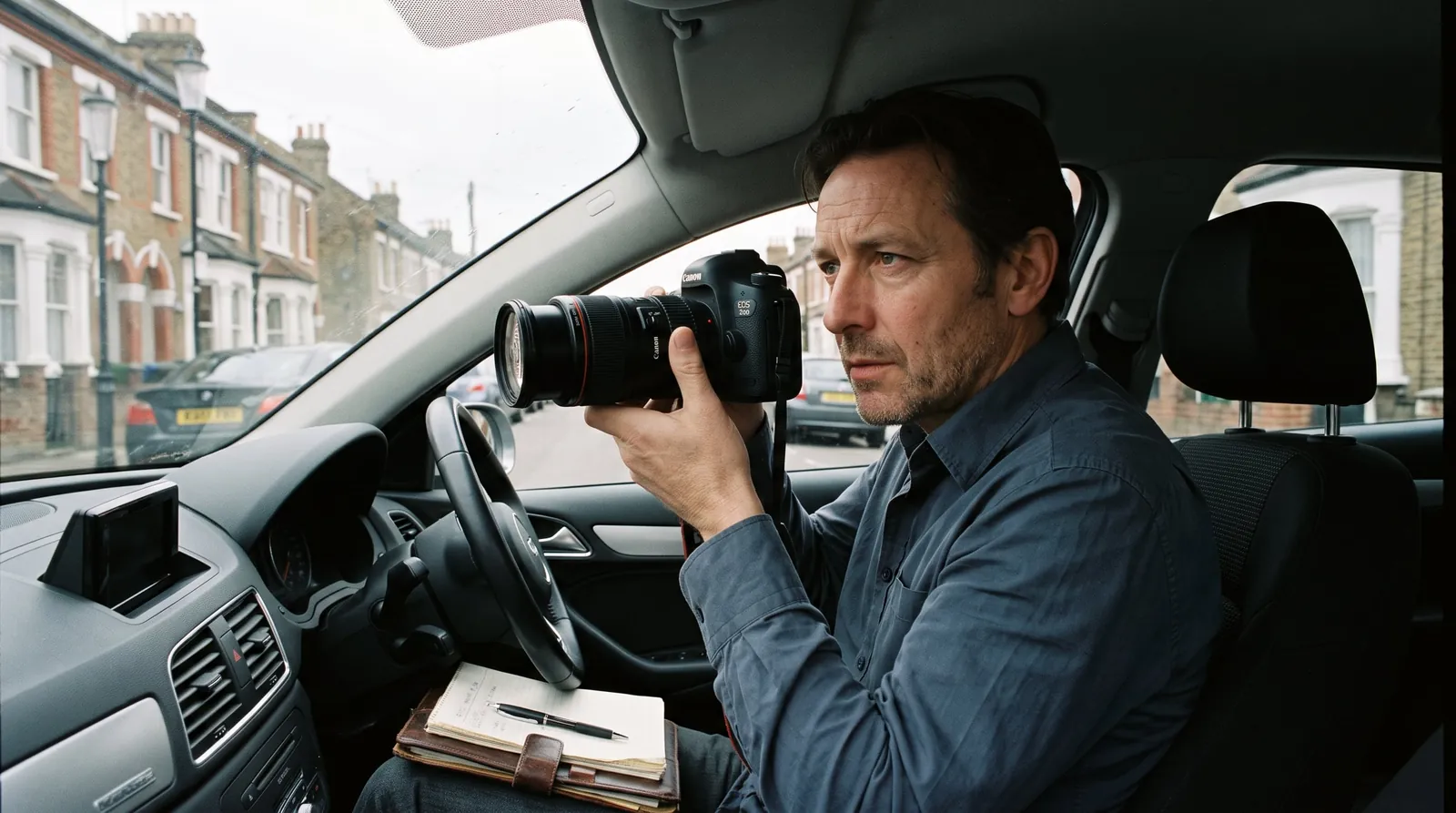
Established 1997 · London office · UK-wide service
Covert Surveillance Services Across the UK
Covert surveillance is discreet observation carried out without alerting the person being observed. UKPI assesses personal, business and legal enquiries where a factual record of movements, attendance or activity could answer a specific question.
Each surveillance enquiry is assessed before fieldwork. We agree the question, check whether the proposed method is proportionate and explain what the investigation may establish before you decide whether to proceed.
What Covert Surveillance Can Establish
A surveillance assignment starts with a defined question. That might be whether someone attends a stated address, meets a particular person, carries out other work during claimed absence or follows a routine relevant to a civil dispute.
Investigators record what they directly observe, including times, locations and relevant activity. Covert monitoring does not prove a person's thoughts or motives, and a report should not turn an observation into a conclusion that the material cannot support.
Where circumstances permit, operatives may take photographs or video to support the written log. Cameras are used only when the images are relevant to the instruction and the location, purpose and expected privacy of those present have been considered.
One period of observation may answer a narrow question. Other cases need more than one deployment to test whether an apparent event is a repeated pattern. The proposed surveillance operations, time limits and likely constraints are set out before work starts.
When Covert Surveillance Services May Help
Private clients may ask about unexplained absences, cohabitation, relationship concerns or activity linked to a family dispute. Discreet surveillance services can record relevant events without relying on online rumours, assumptions or second-hand accounts.
Businesses may need a defined investigation into suspected undeclared work, internal theft, misuse of company time or a disputed claim. Employers should take suitable employment advice before arranging worker monitoring or acting on any findings.
Solicitors, insurers and other authorised representatives may commission surveillance operations to document attendance, movement or activity connected with a civil matter. The report is limited to the agreed purpose and identifies periods when no reliable observation was possible.
Physical surveillance is not the right answer to every concern. If records research, an interview, a background check or a technical inspection would answer the question with less intrusion, we explain that before fieldwork is proposed.
- Relationship matters: factual observation linked to a defined concern.
- Cohabitation enquiries: relevant attendance and patterns over an agreed period.
- Employee concerns: proportionate observation where the organisation has a proper purpose.
- Insurance enquiries: activity connected with a specific disputed claim.
- Commercial matters: meetings, movements or conduct relevant to an investigation.
- Legal support: timed observations supplied to an authorised adviser.
How a Covert Surveillance Operation Works
Effective surveillance work depends on preparation. The initial briefing identifies the subject, the question to be answered, the information you are entitled to provide and any dates or locations that may affect the plan.
We then assess the proposed surveillance operation, select suitable operatives and provide a written scope. It explains the planned field time, reporting arrangements and quotation, so you know what has been agreed before deployment.
- Briefing: we record the purpose, known facts and practical constraints.
- Assessment: we consider authority, necessity, proportionality and the least intrusive suitable method.
- Fieldwork: operatives manage the risk of detection, maintain a timed log and record relevant activity without trespass or harassment.
- Reporting: observations and supporting material are reviewed, organised and supplied securely.
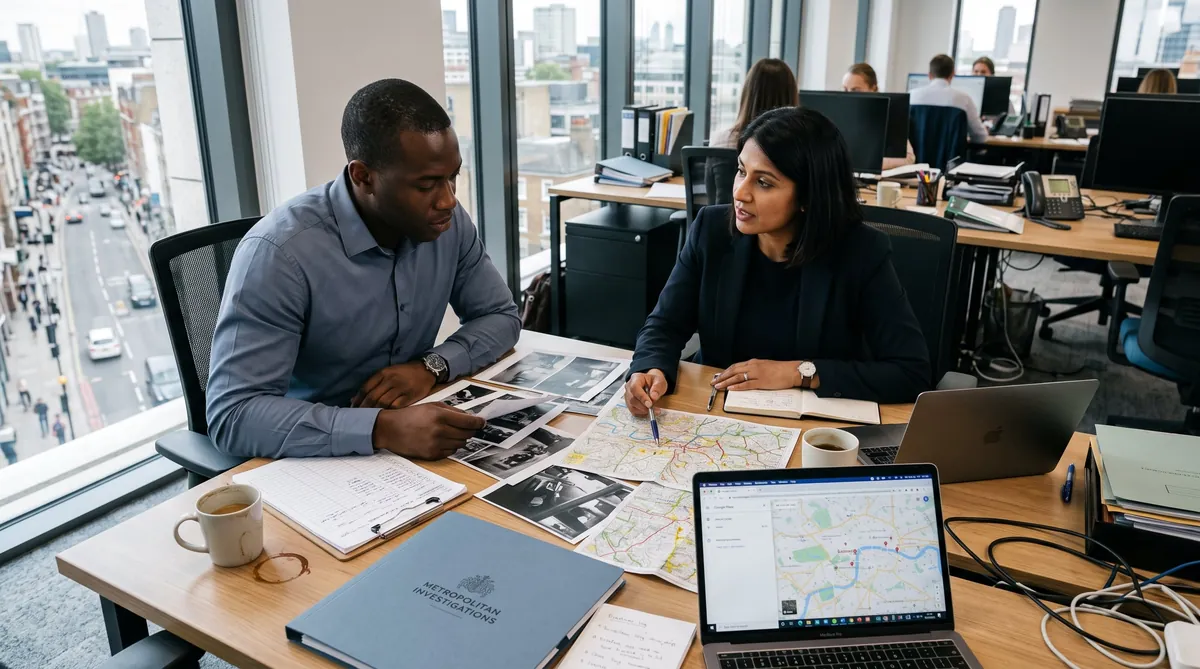
Covert Surveillance Evidence, Reporting and the Law
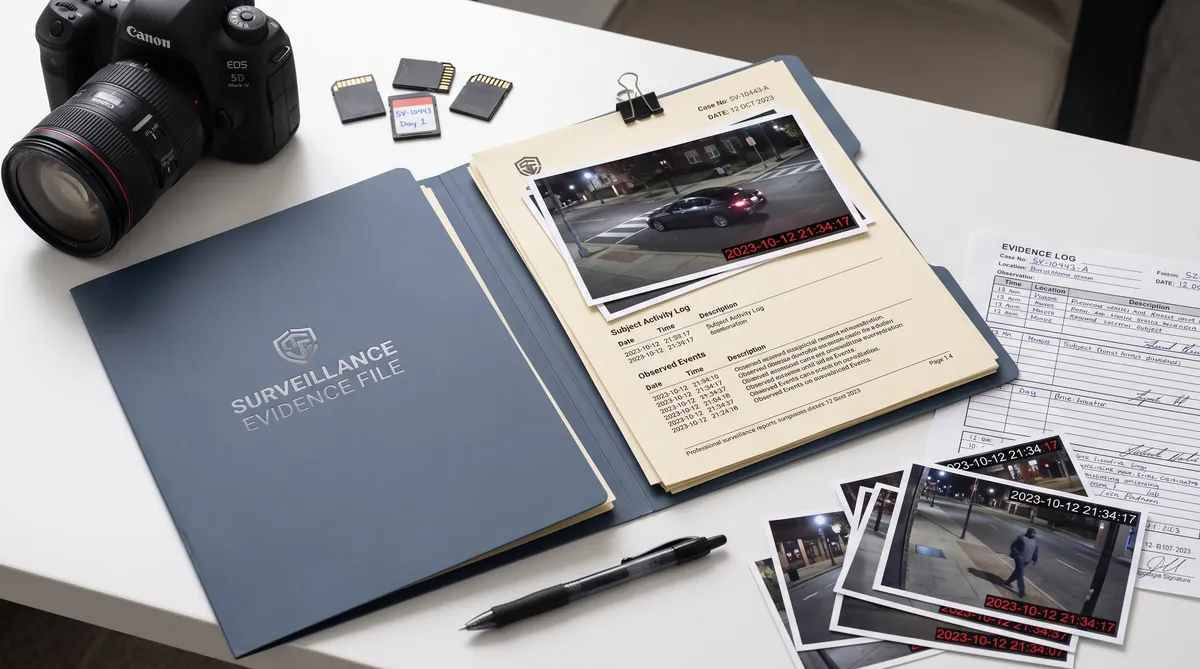
A final surveillance report normally contains:
- chronological observations;
- relevant locations;
- photographs or video where obtained; and
- material limitations, such as a lost sighting or obstructed view.
The report distinguishes direct observation from background information.
The evidence is handled for the agreed purpose and shared through controlled channels. If material may be used in court, an authorised solicitor can advise on relevance, disclosure and admissibility. Those decisions are not guaranteed by the investigator.
Private-sector monitoring must be considered in its own legal context. Data protection law, the purpose of the instruction, trespass, harassment and the subject's reasonable expectation of privacy may all affect whether and how an assignment can proceed.
RIPA mainly regulates investigatory powers used by public authorities. Under its terminology, directed surveillance is covert surveillance by a public authority that is likely to obtain private information and is not an immediate response to events. A private investigator does not gain those powers by referring to RIPA.
The Home Office code of practice explains authorisation of directed surveillance for relevant public bodies. It is useful legal context, but it is not a private-investigator licence. Private work still needs its own lawful purpose, necessity and proportionate method.
UKPI assesses authority and legal basis before accepting an instruction. Observation in a public place can still affect privacy, while covert observation at a home or workplace presents greater concerns. Legal advice may be required where the position is disputed or unusually sensitive.
Related Surveillance Services
Physical observation is only one form of surveillance. Choose the service that matches the question you need answered, or contact us if you are unsure which route is suitable.
Covert Surveillance: Frequently Asked Questions
Covert surveillance is observation carried out without the subject being told at the time. In a private investigation, it may be used to record relevant activity, movements or associations. The purpose, method, location and likely effect on privacy must be assessed before any work begins.
Explain the question you need answered, the relevant dates and locations, and the information you are entitled to provide. We assess whether observation is suitable before proposing fieldwork. Share case details through the confidential enquiry process.
Covert surveillance is conducted without the subject being aware of the observation. Overt surveillance is visible or has been clearly disclosed, such as a signed CCTV system. The appropriate approach depends on the purpose, the setting and the rights of the people who may be recorded.
We assess the proposed field time, operatives and reporting requirements before providing a written scope and quotation. Our investigation costs guide explains pricing. The quotation sets out the work proposed for your particular enquiry.
Discuss Your Covert Surveillance Enquiry
Tell us the question you need answered and the information already available. We will explain whether surveillance appears suitable, what further checks are needed and the likely scope before any fieldwork is agreed.
- Free, no-obligation consultation
- Response within 2 hours
- Handled in confidence
Call 0800 043 1754 if you would prefer to discuss the instruction first.